As a sleep specialist, I pay extra attention to the environment we sleep in. Most of us spend around 30% of our time in the bedroom, yet we don’t often think about how much time we spend on our beds. Our skin is our biggest organ, which means whatever our skin is in contact with, can get absorbed into our body and add to the burden of toxins that our liver and other detoxifying organs have to process.
When it comes to choosing our beddings, it is worth looking beyond aesthetics and thread count to understand how different textiles interact with our physiology, in order to support proper rest and recovery. Here are my top 3 considerations:
1. Natural, non-toxic material
Since our skin is the body’s largest organ, it acts like a giant sponge while we sleep. We want to make sure it isn’t “soaking up” harsh chemicals or synthetic finishes. Many mass-produced sheets are treated with chemicals like formaldehyde to keep them from wrinkling or shrinking, but these can irritate your skin and even your breathing. Choosing non-toxic, organic materials ensures your body can focus on detoxification during sleep rather than dealing with additional toxins, creating a clean space for your skin and body to breathe in.
2. Temperature regulation
One important trigger to kickstart the sleep process is a drop in our core body temperature, which paves the way for a good night’s sleep. The transition into deep sleep generally requires a drop in core body temperature by approximately 1-2°C.
Synthetic, non-breathable materials can trap heat and effectively stall this cooling phase – making it harder to fall asleep, increasing your chances of tossing, turning, and night sweats. Beddings that have natural thermoregulating properties can prevent these micro-awakenings, allowing the body to remain in a cooler state that supports both restorative slow-wave sleep and REM sleep.
3. Neutral tones for a calm nervous system
Colors and tones aren’t just about style — it speaks to our nervous system as well. Soft, calming tones such as muted blues, earthy greens, or warm neutrals offer a sense of grounding and stability, signalling to our brain that it is safe to relax and let go of the day. Studies show that exposure to earthy colors has been linked to positive effects on mental health and well-being, lowering stress hormones and paving way to a peaceful night’s sleep.
Top 3 Fabric Choices from a Sleep Specialist
If you’re looking to optimise your sleep environment, here are my recommendations based on a balance of those criteria mentioned above:
- Cotton Percale for breathability
Often cited as the “gold standard” for hot sleepers, cotton percale utilises a tight, “one-over-one-under” plain weave that allows for maximum airflow. Its classic structure prevents heat entrapment, providing a crisp touch that mimics a fresh hotel bed and remains cool to our sensation throughout the night. A perfect choice for hot and humid weather. - Linen for moisture wicking
Made from flax fibers, linen is the champion of durability and moisture-wicking. It excels in high-humidity environments by absorbing moisture without feeling damp. Its molecular structure undergoes a “softening” process over time, so your bedding actually gets softer after every wash and gives a beautiful, lived-in look.
- Bamboo (Viscose or Lyocell) for thermoregulation
Regenerated cellulose fibers, such as Lyocell, are naturally smooth which reduces friction for sensitive skin. Organic bamboo fabric also has inherent antimicrobial and thermoregulating properties, and its high vapor permeability can help maintain a dry and stable climate during sleep.
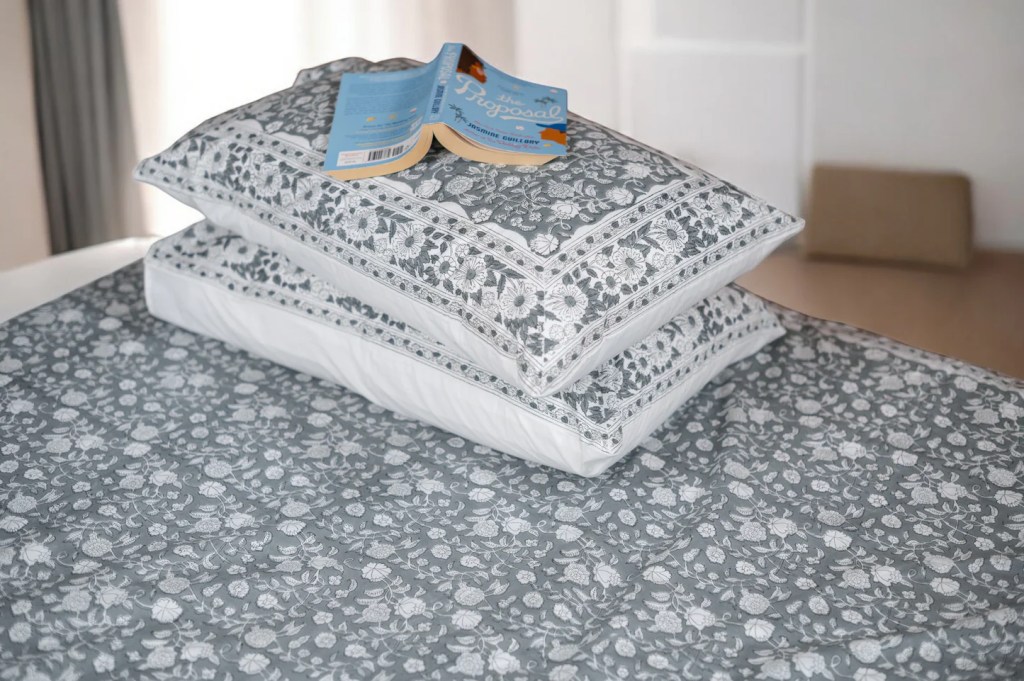
Hand block printed on luxurious cotton percale, Meluha’s bedsheets combine breathability and coolness with calming designs inspired by nature.
At the end of the day, your bed should be your favorite place on earth. You want to curate a sanctuary for yourself that supports top quality sleep and optimal recovery, through mindfully selecting the materials you are most intimately in touch with throughout the night. Sweet dreams and sleep well!
Written by Lydia Chan, Founder of The Sleep Code

Lydia Chan is a certified integrative Adult and Paediatric Sleep Coach, and one of the few trained CBT-i specialists in the region. She offers 1:1 consultations to babies, children and adults of all ages, uncovering the root cause of sleep challenges and tailoring evidence-based solutions for long-lasting results. As the Asia Regional Director of the APSC, she speaks regularly at corporate seminars and wellness workshops, empowering the community with the latest knowledge and science on sleep health.
References:
Chow, C. M. (2020). Sleep and wellbeing. In S. S. Muthu (Ed.), Textiles and Human Health (pp. 11–28). Springer, Singapore.
Ningtyas, A. S., & Taufik, N. I. (2023). The impact of nature exposure on mental health and well-being. West Science Interdisciplinary Studies, 1(08), 543–550.
Troynikov, O., & Nawaz, N. (2016). Comfort properties of fabrics for sleepwear and bedding. Procedia Engineering, 147, 588–593.
 The Sleep Code | Sleep Specialist in Hong Kong